













Perhaps it was just a fleeting moment in everyday life. Your dog suddenly takes his favorite treat more carefully. The dry food stays in the bowl longer, or he's suddenly much less interested in hard chew toys than usual. Many dog owners quickly notice in such situations that something has changed, but initially can't quite pinpoint it.
Precisely because dogs often hide discomfort for a long time, such changes initially seem harmless. Perhaps you think it's a short phase, fatigue, or that your dog has simply become pickier. In reality, however, a problem in the oral cavity is often behind altered chewing behavior.
In this article, we explain why dogs suddenly chew more carefully, what causes can be behind it, and how to recognize when you should take a closer look. We also explain why even small changes in everyday life often provide important clues and how you can support your dog calmly and stress-free with daily dental care.
Many dogs first show problems in the mouth through their behavior
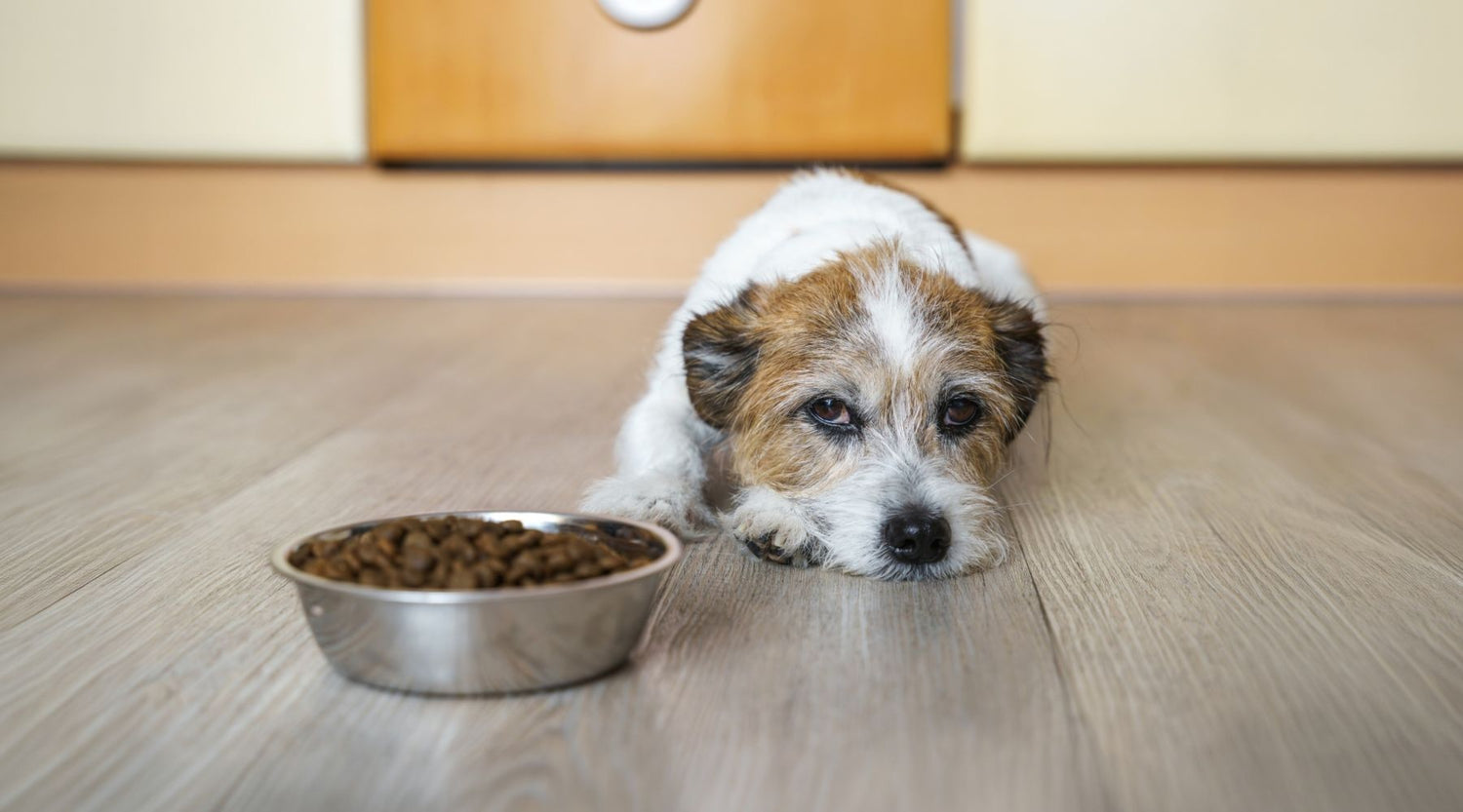
Did you know that dogs often deal with pain surprisingly quietly? Especially discomfort in the mouth is often hidden for a long time. This is also because eating is a natural instinct for dogs. Many dogs try to eat normally, even though certain movements have long since become uncomfortable for them.
That's precisely why dental problems often first manifest through small changes in behavior. Some dogs suddenly chew more slowly or carefully. Others drop pieces of food from their mouths or pick up treats unusually gently. Some dogs begin to chew only on one side or tilt their heads slightly while eating.
Precisely these creeping changes are often underestimated in everyday life. Many dog owners initially think it's a phase or that the dog has simply become finicky. But often, the dog is actually already trying to avoid painful movements.
It's particularly insidious that many dogs seem completely normal between meals. They play, cuddle, go for walks, and behave as usual. This is why the actual cause often only becomes apparent later.
Often, it's irritated gums, inflamed areas, or sensitive teeth that make chewing uncomfortable. Even small pressure pains can be enough for your dog to perform certain movements more cautiously.
Why dental problems often go unnoticed
Many people expect clear warning signs when experiencing pain. But dental problems often develop slowly and insidiously. Many dogs don't show oral discomfort by whining or completely refusing food.
On the contrary. Many dogs quietly adapt their behavior. Instead of chewing vigorously, they swallow larger pieces more quickly. They avoid hard snacks or suddenly prefer softer food. Some carry toys around less or lose interest in intensive chewing games.
In addition, dog owners also slowly get used to changes. If the behavior develops over weeks, it often goes unnoticed how significantly certain habits have changed.
Perhaps your dog simply eats a little slower than before. Perhaps the chew bone is left untouched more often, or your dog repeatedly interrupts eating briefly. Precisely these small changes are often the first indications that something is wrong in the mouth.
Older dogs are particularly often affected, but even young dogs can already develop problems. Especially smaller dog breeds tend to develop tartar or sensitive gums earlier.
Therefore, it's worth observing your dog carefully in everyday life. Often, their behavior reveals much earlier that something has become uncomfortable than a quick look into the mouth.
Bad breath can be an important warning sign
Many dog owners first notice an unpleasant odor from their dog's mouth. This is often considered normal. In fact, strong bad breath can indicate that bacterial plaque has accumulated in the mouth or that inflammation has developed.
Especially inflamed gums react sensitively to pressure. Every bite can then become uncomfortable. Many dogs then automatically begin to chew more carefully or avoid certain movements.
Additionally, harmful bacteria that arise from plaque and deposits can multiply in the mouth if teeth and gums are not cleaned regularly. This creates a cycle of plaque, irritation, and increasing sensitivity.
Of course, bad breath does not automatically mean a serious dental problem immediately. Nevertheless, a closer look is worthwhile if changes in chewing or eating occur at the same time.
Increased drooling, frequent licking over the muzzle, or a sensitive reaction when touching the head can also be additional clues.
Not every cause is directly at the tooth
If your dog suddenly chews more carefully, it doesn't always have to be tartar. Other changes in the mouth can also trigger this behavior.
Sometimes there are small injuries in the mouth, for example, irritated areas on the lip or pressure points on the gums. Broken teeth or loose teeth can also cause severe discomfort.
In addition, some dogs react sensitively to foreign objects in the mouth. Small wood splinters from chew sticks or hard food residues can cause unpleasant irritations.
In some cases, discomfort also arises in the jaw area. Then dogs not only find chewing more difficult, but sometimes also opening their mouths.
Many changes initially seem harmless and develop gradually. It is all the more important to look closely and not simply dismiss persistent discomfort as a phase. A vet can help to identify the exact cause early on.
Many dogs also change their behavior around the food bowl
When eating becomes uncomfortable, not only the way of chewing changes, but often the entire mood around meal times.
Some dogs suddenly appear more cautious or tense when eating. Others repeatedly interrupt briefly or walk away from the bowl in between. Some dogs no longer enthusiastically snatch treats from hand or drop hard snacks immediately.
Especially sensitive dogs often react emotionally to discomfort in the mouth. Eating, which is actually something positive and familiar, is suddenly associated with uneasiness.
Many dog owners then intuitively notice that something is wrong. Often it is not just the slower chewing, but the entire body language of the dog that changes.
Some dogs appear calmer than usual, withdraw more quickly, or react more sensitively when their head is touched. Others begin to frequently paw at their muzzle.
All these small changes deserve attention, even if they initially seem insignificant. You usually know your dog best in everyday life. Therefore, you often notice small changes earlier than others. If the cautious chewing persists or intensifies, it makes sense to have a veterinarian examine the behavior.
Why a calm dental care routine is so important
Especially with sensitive dogs, trust plays a big role. Many dogs don't particularly like interventions in their mouths at first. It is all the more important to build up dental care calmly and without pressure.
The more relaxed the situation is experienced, the easier dogs accept the daily routine. Small, positive steps often help significantly more than hectic or forced attempts.
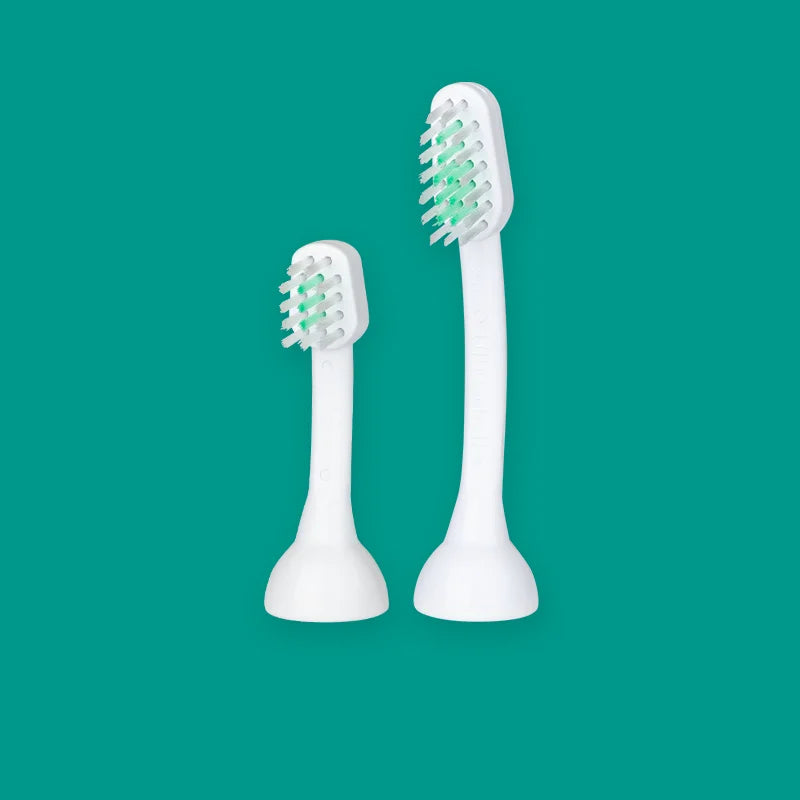
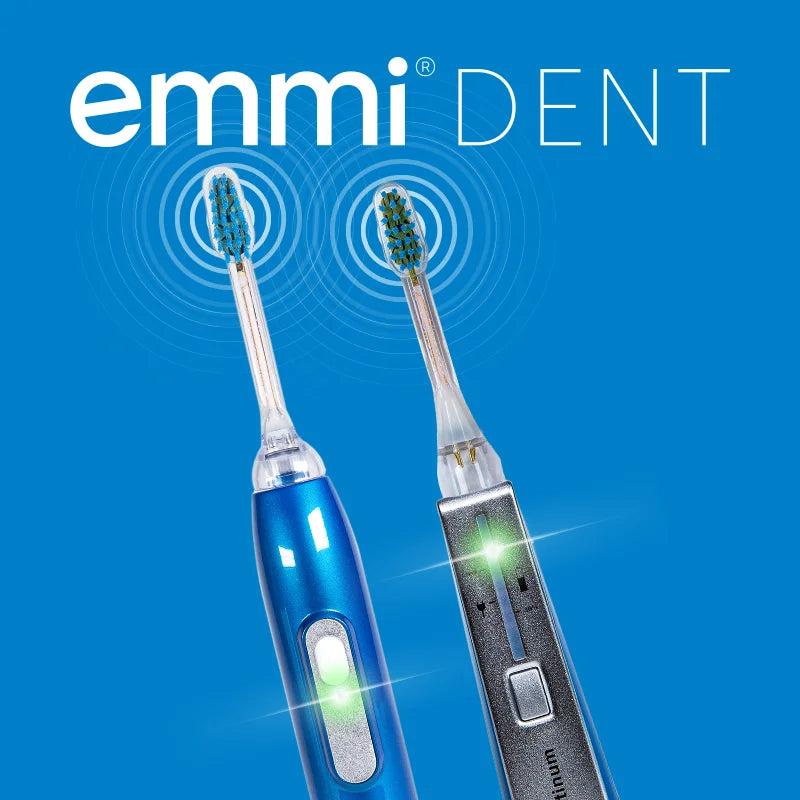
Many dog owners therefore integrate our emmi-pet ultrasonic toothbrush slowly and stress-free into their dog's daily life. Especially sensitive dogs often benefit from the fact that the application is done without strong mechanical movements. This makes many dogs perceive dental care as calmer and more pleasant.
Nevertheless, an honest assessment remains important. Dental care supports daily oral hygiene and can help reduce harmful bacterial plaque. However, it does not replace veterinary treatment if stronger inflammation or pain is already present.
Precisely for this reason, a regular routine is worthwhile even when no major problems are yet visible. The goal is not perfection, but the most relaxed support possible in everyday life.
Taking small changes seriously early on often helps the most
In everyday life with a dog, many habits develop automatically. Precisely for this reason, small changes are often first noticed intuitively. Something feels different, even if you can't quite pinpoint it at first.
Perhaps your dog suddenly eats slower. Perhaps hard snacks are left untouched more often, or your dog seems unusually cautious when chewing. Precisely these small observations are often important.
Because dogs rarely show clear signs of discomfort in their mouths. Much more often, small things change in everyday life. Eating takes longer. The dog chews more concentratedly or repeatedly interrupts briefly. Some dogs suddenly avoid certain types of food or seem more sensitive during play.
The earlier such changes are taken seriously, the better larger problems can often be avoided. Not every abnormality immediately means a serious illness. Nevertheless, it is worthwhile to look closely and observe the dog well.
Because in the end, it's not just about teeth or food. It's about your dog being able to eat relaxed, feel good, and live their everyday life without uncomfortable complaints.