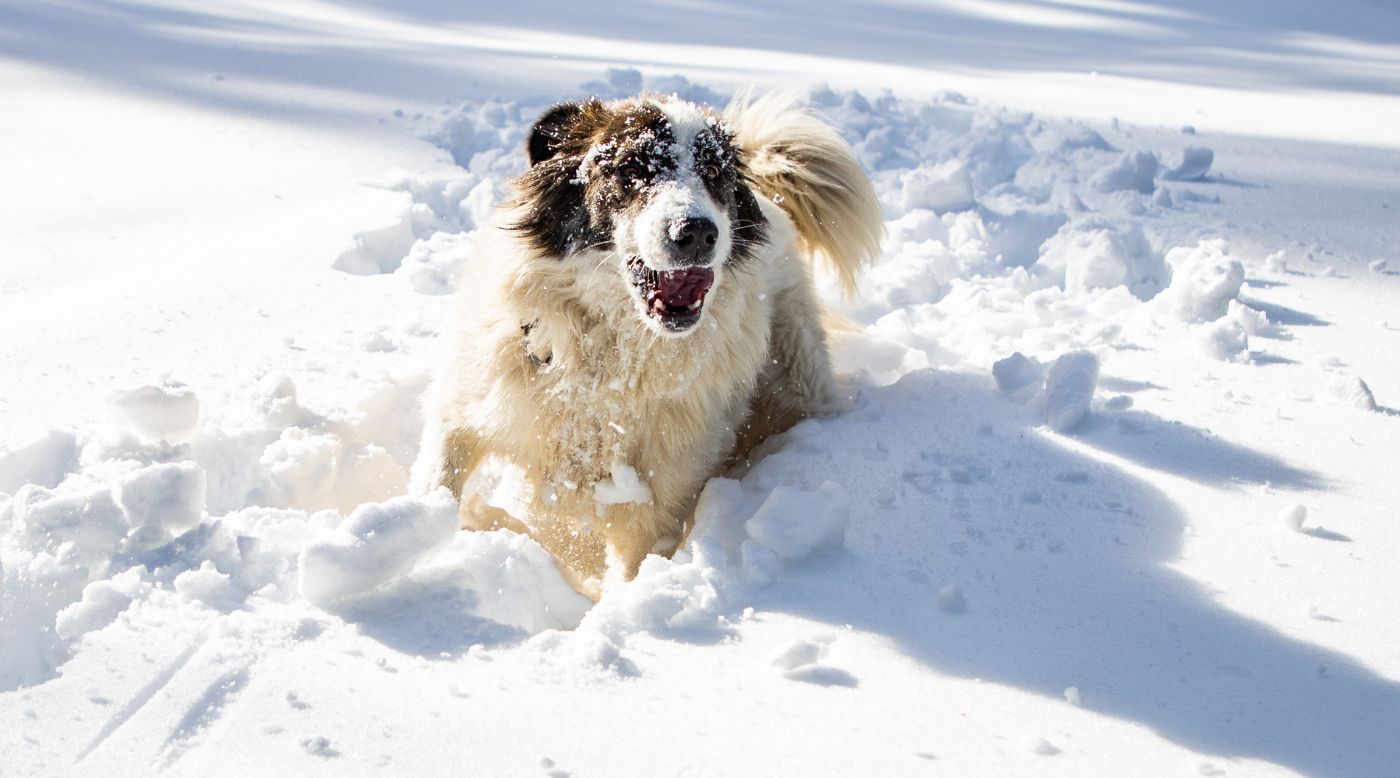











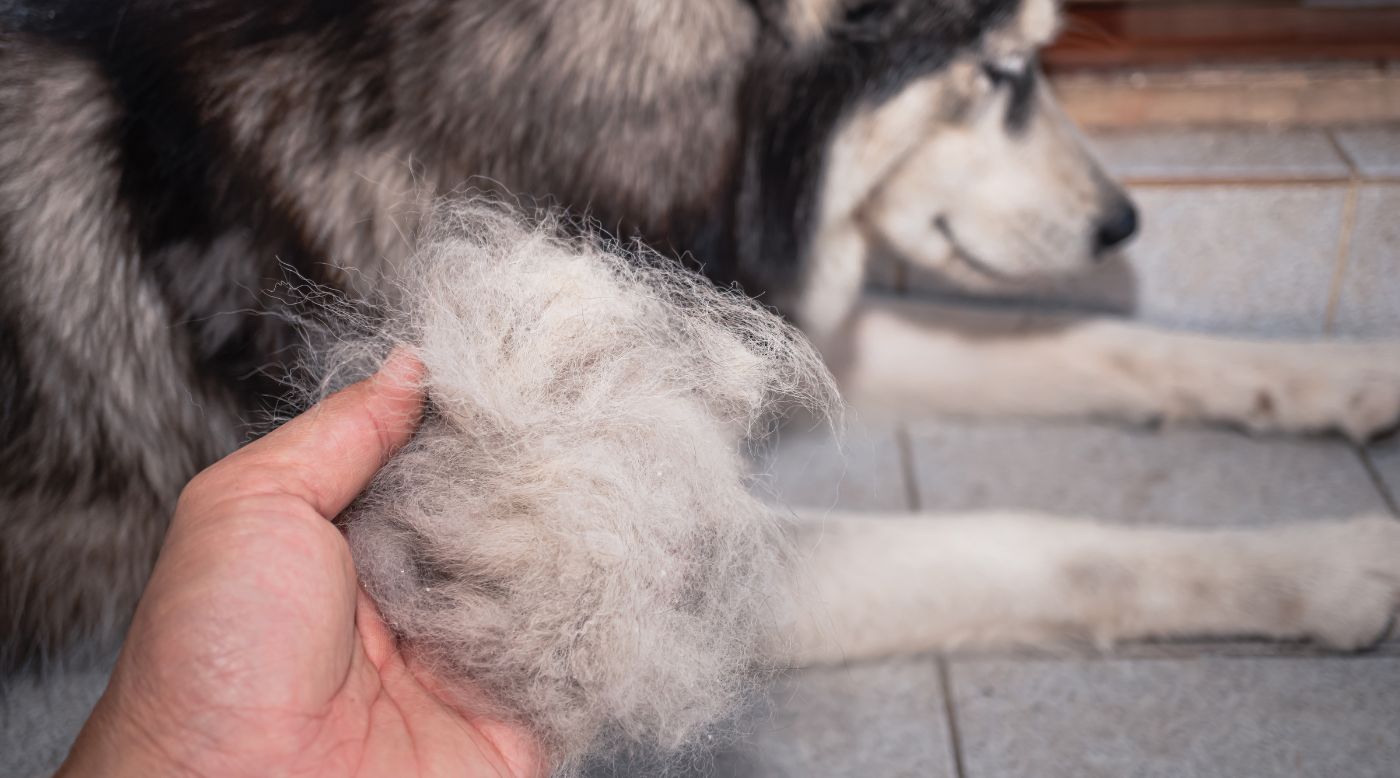
As soon as the weather gets milder, a lot happens inside many dogs. Suddenly there are clumps of fur on the sofa, when you pet them, whole strands of hair stick to your hand, and even after brushing, it often looks like you haven't done anything at all. Spring shedding can feel like a little natural chaos in everyday life. And sometimes there's something else that you don't immediately associate with hair: itching, a dull coat, dandruff, or a dog that seems more restless than usual.
In this article, we'll explain why the spring shedding season puts more strain on your dog's body than many realize , how you can tell that their skin and immune system are working especially hard, and what daily routines really help. We'll also show you how to gently groom your dog's coat without over-grooming or causing unnecessary stress.
Why shedding is more than just hair
Shedding isn't just about old fur falling out and new fur growing in. A rather complex process is taking place behind the scenes. The body is adjusting, hormonal signals are changing, and the skin is working at full capacity. New fur needs to be grown, undercoat is shed, blood flow to the skin can change, and the need for certain nutrients increases. For many dogs, this is a phase in which the body simply has to work harder. And this should definitely be taken seriously, even though shedding is completely "normal."
Especially in spring, the weather often changes drastically. Sometimes warm, sometimes cold, sometimes humid, sometimes dry. This can further irritate the skin. Some dogs handle it easily. Others are more sensitive, especially if they are already prone to dry skin, allergies, or itching. And then it quickly becomes not just a matter of "more hair," but also of well-being.
One point that's often underestimated: Shedding season frequently brings more friction. Loose undercoat can get trapped in the fur, causing it to mat more easily, and vigorous brushing can then be stressful for the skin. The trick, therefore, is not just to brush, but to brush in a way that helps rather than stresses your dog. Your dog should feel lighter afterward, not annoyed.
Typical signs that the skin and immune system are currently working
During shedding season, not only does your dog's coat change, but often their behavior does too. Some dogs are simply hairy and otherwise completely relaxed. Others suddenly seem more sensitive, scratch more often, or have days when they can't really settle down. This isn't automatically a cause for alarm, but it is an indication to take a closer look. The sooner you realize that your dog needs more support, the easier this phase will be for both of you.
A typical sign is itching. Your dog scratches more often, rubs its head on the carpet, or licks its paws and flanks more frequently. Sometimes this is just a short-term spike because loose hair is prickly and the skin is more vascularized. However, sometimes it's due to dry skin or an irritated skin barrier. This can become noticeable quickly, especially in spring when temperature and humidity fluctuate significantly.
Dandruff or a duller coat appearance are also common. The coat looks less shiny, the undercoat clings to the skin, or it sheds a little when stroked. This can be due to the skin being more active and, at the same time, the protective oils not always being in ideal balance. When the skin barrier is stressed, this often shows up first in the coat.
Another factor is restlessness. Some dogs get overwhelmed more quickly during this phase, react more sensitively to touch, or are less patient when being brushed. This doesn't mean they've suddenly become difficult. It can simply mean that they experience pinching, itching, or uncomfortable pulling sensations while their coat is changing.
And then there are those subtle, everyday signs that are easy to overlook. More shaking, more scratching after a walk, more licking of the belly or legs. A stronger odor can also occur, because skin oils and microflora are changing. These aren't proof of a problem, but they are indications that your dog is currently more sensitive.
If you notice such signs, the most important thing is to gently relieve the pressure instead of pulling. Brushing is fine, but without rushing. Grooming is fine, but not too much at once. And plan walks so that your dog doesn't get further abrasion, for example, in tall grass or very dry, dusty air, if you know he reacts to that. Sometimes less really is more during this phase.
The most common causes of stress during shedding
If shedding in spring becomes stressful for your dog, there are almost always several reasons. It's not dramatic, but noticeable. Often it's a combination of factors like the undercoat, the skin barrier, the weather, and everyday life. That's precisely why it helps to look at the whole picture, not just the coat.
A very common cause is matted undercoat. Loose hairs are meant to come out, but they get caught in the fur, become trapped, and can irritate the skin like a small blanket. This can cause prickling, warmth, and itching. Some dogs are particularly sensitive to this, especially if their fur is dense or prone to matting. The longer loose undercoat remains in the fur, the greater the chance of skin irritation.
In addition, there's friction. During shedding season, you often brush more frequently, sometimes more intensely. If the technique is too rough or if the coat is too dry, it can be uncomfortable for the skin. You can tell this if the dog avoids being brushed, gets annoyed more easily, or scratches more afterward. It's not about "right or wrong," but about reaching the point where grooming feels stressful.
Weather also plays a major role. In spring, temperature and humidity often change drastically. Sometimes it's warm and dry, sometimes wet and cool, and sometimes there's wind. This can dry out the skin or make it more sensitive. Dogs that are already prone to dry skin or allergies often feel these changes more intensely. When the skin barrier is working hard, even minor environmental irritants can have a greater impact.
Nutrition and nutrient requirements should also be considered during this time. Coat growth demands building blocks from the body. Proteins, certain fatty acids, vitamins, and trace elements are particularly important during this phase. This doesn't mean you have to change everything immediately. But if the coat looks dull or the skin is very dry, it's worth checking the basics. Sometimes it's not "too little grooming," but rather "too little internal support."
And then there's the issue of parasites, which quickly causes anxiety because fleas or mites immediately come to mind. Yes, ticks and other parasites become more active again in spring. But not every itch is an infestation. A calm check is often enough. After your walk, quickly examine typical areas, such as your neck, armpits, stomach, and groin. If you're unsure or the itching is very intense, it's advisable to get it checked out. A good middle ground is to be observant without panicking.
What you can really do in everyday life
No rushed approach will help during shedding season. What really works is a regular routine that doesn't overwhelm your dog. You want to remove loose undercoat , soothe the skin, and at the same time ensure that grooming feels good for your dog. The more pleasant the grooming routine, the more relaxed your dog will be, and the easier this phase will be.
Start with the timing. Brushing is most effective when your dog is calm. Many dogs are easy to groom after a walk because they've already had some exercise. Others prefer it in the evening when the day is winding down. It's important not to brush if your dog is already annoyed or keeps turning away. Then grooming quickly becomes stressful, and stress is the last thing your dog's skin needs during shedding season.
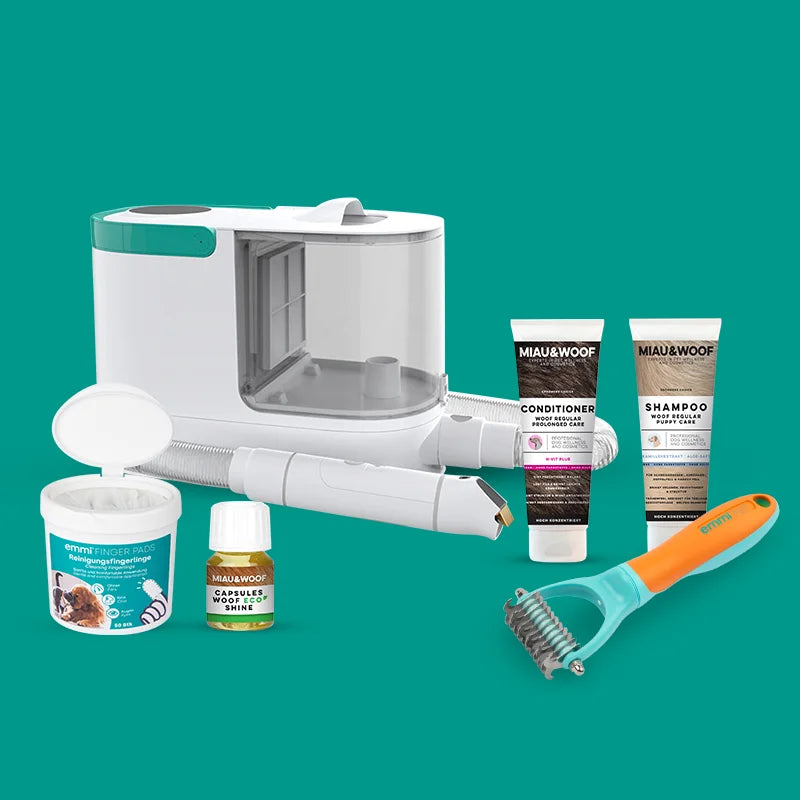
When brushing, it's better to brush frequently and briefly than infrequently and intensely. Use light pressure, work in small areas, and pay attention to whether your dog finds it comfortable. Especially in sensitive areas like the belly, armpits, or behind the ears, less is more. If you notice that the undercoat is matted, it's better to gently loosen it rather than pulling it out. Pulling often leads to increased itching afterward, and then shedding suddenly feels like a constant problem. We also recommend the Grooming Kit , especially during shedding season .
The question of bathing almost automatically arises in spring. Bathing can be helpful if your dog is very dirty or if you feel their coat is "standing on end" and not coming off easily. However, bathing too often can also stress the skin barrier, especially with harsh products or water that is too hot. If you do bathe your dog, do so gently, with lukewarm water and products such as our 2-in-1 Moisture Nature Dog Shampoo (250ml) , 2-in-1 Nature Repair Dog Shampoo (250ml), Moisture Coconut Dog Shampoo (250ml), 2-in-1 Anti-Tangle Nature Coat Spray (250ml) , or our Coconut Coat Care Spray (250ml ). The skin barrier is already under strain during shedding season and needs protection rather than degreasing.
One often underestimated point is thorough drying. Wet fur can irritate the skin, and moisture sometimes stays in the undercoat longer than you'd think. This can be especially uncomfortable when it's still cool outside and can worsen itching. Again, the rule is: don't rub frantically, but dry gently .
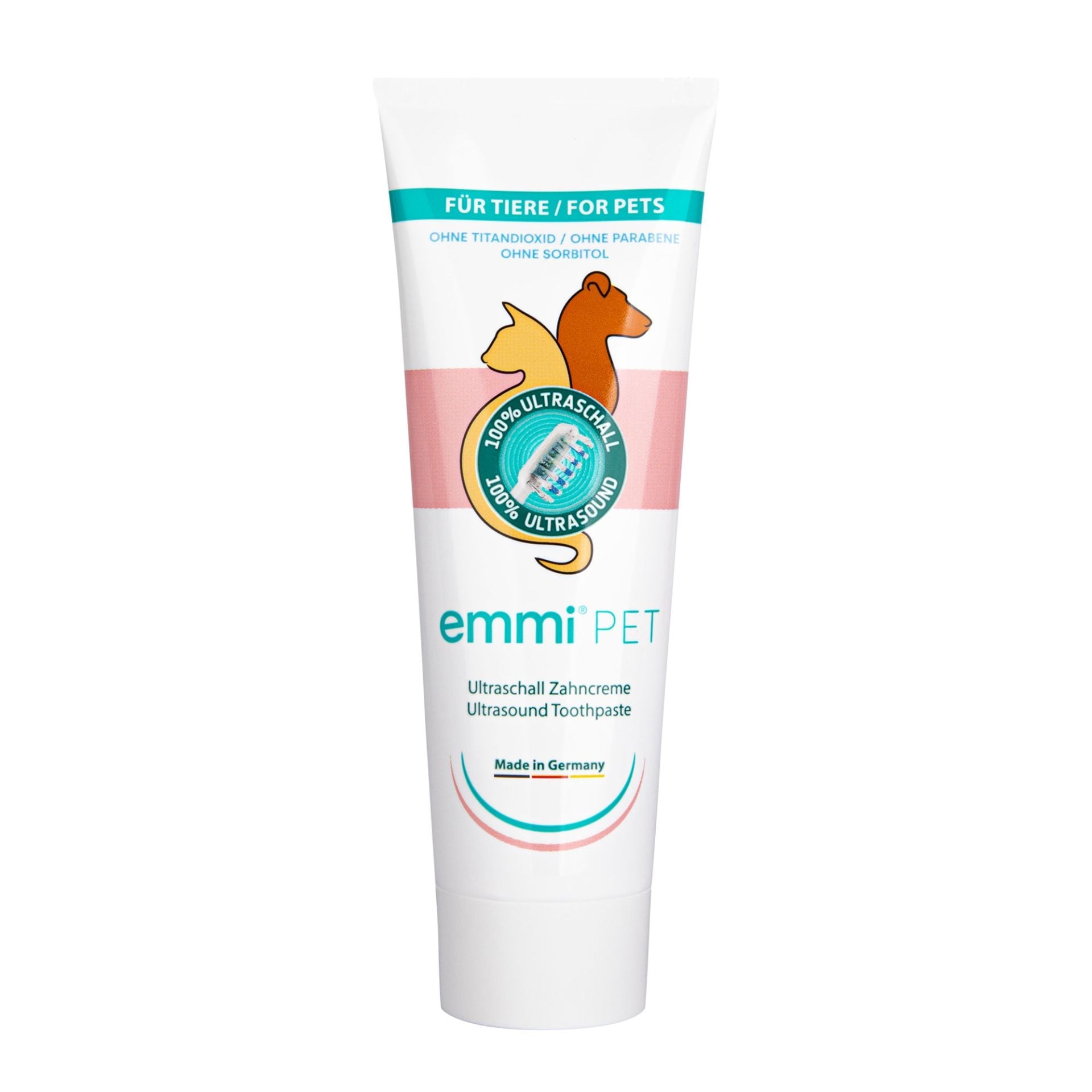
If you want to round out your routine, suitable coat care can help, especially if you notice that the coat looks dull or the skin is more easily irritated. Products from the emmi-pet coat care range can be usefully incorporated here, for example as a supplement after brushing or as a gentle care component when the coat is particularly demanding.
When you should have fur problems checked by a veterinarian
Spring shedding is normal, but there are times when you shouldn't just "groom more," but rather have your dog professionally examined. Not because you've done anything wrong, but because some problems simply don't fall under the category of "typical shedding." If your dog's skin is clearly suffering, getting it checked out is the first step. And often, that's exactly what brings relief quickly.
A visit to the vet is advisable if the itching is very intense or if your dog is scratching so much that the skin becomes sore. Bald patches, redness, weeping areas, or a strong, unusual odor are also signs that there might be more to it than just loose undercoat. If your dog is licking or biting the same spots unusually often, it's also worth having them checked. And if you get the impression that the situation is getting worse rather than better over several days, that's a clear sign not to wait any longer.
It's also important to consider the overall picture. If your dog seems tired, has a reduced appetite, or is generally "not himself," this should be checked by a veterinarian. Shedding can be demanding, but it shouldn't throw your dog off balance.