














Winter isn't just noticeable outdoors. It works its magic quietly, but its effects are felt deep within our dogs' fur. While we appreciate warm rooms, this time of year presents our four-legged friends with particular challenges. Many dog owners notice in January or February that their dog scratches more frequently, seems more restless, or licks certain areas intensely.
What initially seems like a minor inconvenience is often a sign that the skin and coat are out of balance . Winter itching is not a coincidence, but rather the result of several factors converging at this particular time of year. Cold, dry air, dampness, and a changed daily routine put more strain on the skin than in other seasons.
In this article we explain why dogs suffer from itching particularly often in winter , what role environment, care and regeneration play and how you can gently support your dog's skin and coat without further irritating it.
The skin as a sensitive protective organ
The skin is far more than just an outer covering. It protects against cold, moisture, germs, and mechanical irritants. At the same time, it regulates body temperature, retains moisture, and contributes significantly to your dog's well-being. If this protective system becomes unbalanced, it quickly becomes noticeable.
In winter, the skin has to work especially hard. Cold air outside, wet fur during walks, and dry air from heating indoors all affect it simultaneously. These constant changes challenge the skin's natural barrier. The skin loses moisture, becomes more sensitive, and reacts more quickly with feelings of tightness, dryness, or itching.
Dogs with sensitive skin, little undercoat, or existing skin problems are particularly affected by this stress. However, even robust dogs can show signs in winter if their skin is under constant stress. Itching is often the first warning sign.
Heated air – invisible, but effective
Warm indoor spaces are comfortable for us humans. However, they pose a silent burden on your dog's skin. Heated air continuously draws moisture from the surrounding air without us consciously noticing. This lack of humidity directly affects the skin and coat.
The skin gradually dries out. Its natural protective barrier weakens, causing feelings of tightness and making the skin more sensitive to external stimuli. Dogs that spend a lot of time in heated rooms or like to lie near radiators are particularly affected. In these situations, the body loses more moisture than it can replenish.
The coat also suffers under these conditions. It appears duller, loses elasticity, and can no longer optimally protect the skin underneath. Fine flakes, increased itching, or frequent scratching are typical signs that the skin and coat need support.
This effect is particularly pronounced in January, when windows are opened less frequently and heating systems are constantly running. Therefore, it is all the more important to consciously relieve the skin during this phase and give it back what it needs: moisture, rest, and gentle care .
Dampness and cold from outside increase the stress.
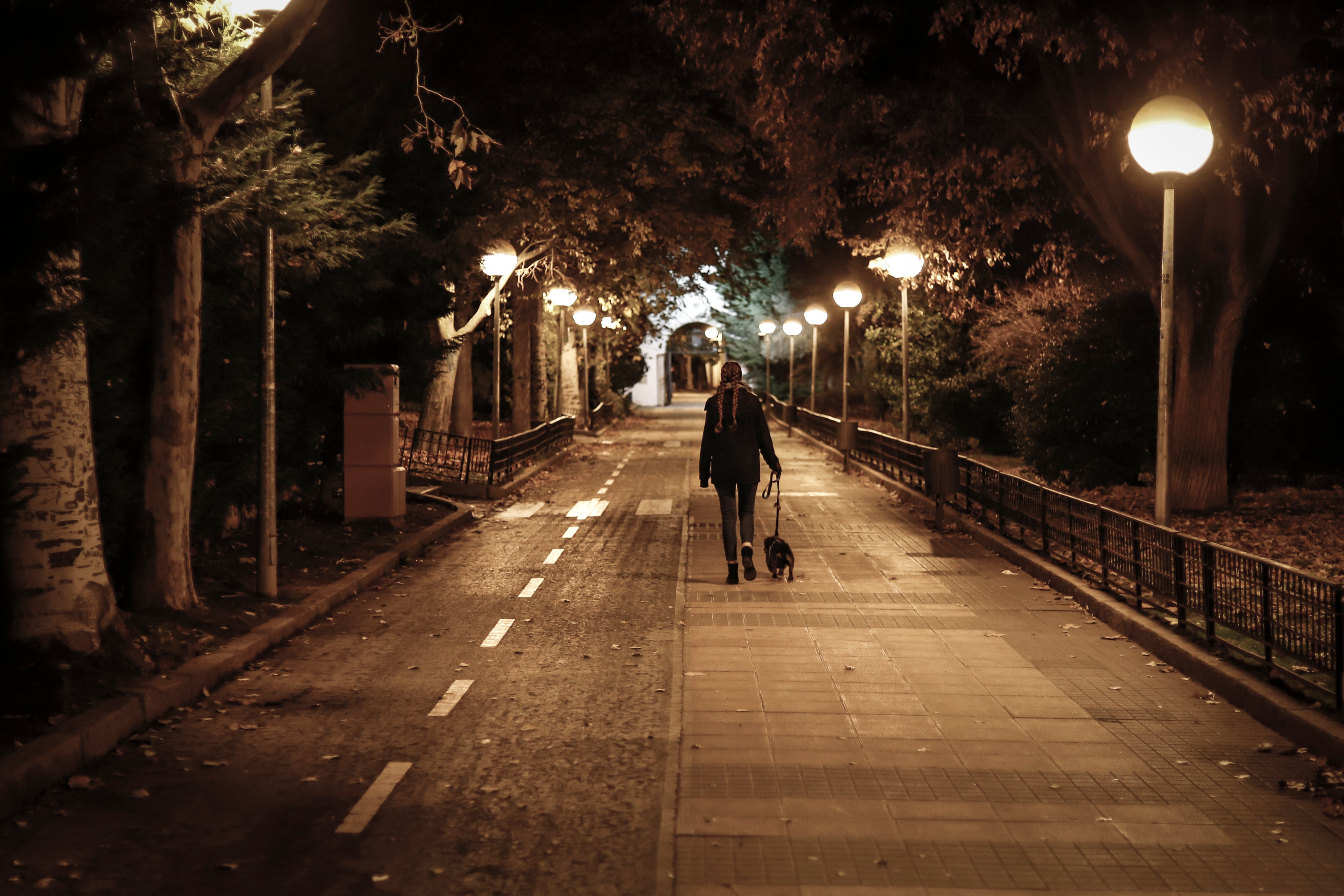
Winter walks put extra strain on skin and coat. Rain, snow, and slush soak the fur, often several times a day. If the coat remains damp or cools down significantly after the walk, this moisture directly affects the skin underneath. This, combined with low temperatures, creates an additional stress factor.
Moisture on the skin can further weaken its natural protective barrier. The skin becomes more permeable, more sensitive, and more prone to irritation. If the coat isn't completely dried, this stress persists longer than you might expect. Especially in winter, there's often not enough opportunity for the skin and coat to dry properly.
Areas of the body where the fur is thinner or where moisture is trapped for longer periods are particularly sensitive. These include the belly, armpits, paws, groin, and skin folds. Itching often develops first in these areas because the skin is less protected and reacts more strongly to external influences.
Cold temperatures further intensify this effect. Blood circulation in the skin can be reduced, and regeneration processes slow down. In this combination of dampness and cold, the skin quickly becomes unbalanced.
Less sun means less regeneration
Sunlight affects the entire organism, including dogs. It influences metabolic processes, hormonal balance, and the regeneration of skin and coat. In winter, this natural stimulus is almost completely absent. The days are short, the light is weak, and many walks take place in twilight or darkness.
Without sufficient light, many bodily processes slow down. Skin renewal can be delayed, minor irritations heal more slowly, and the skin's supply of nutrients is less active. The body switches into a kind of energy-saving mode to conserve energy.
At the same time, the coat changes. It becomes denser and heavier, which protects against the cold, but makes it harder for the skin underneath to breathe. Moisture, dead skin cells, and sebum are more easily trapped , increasing the risk of itching and irritation.
Many dogs show the first signs of discomfort during this phase. They scratch themselves more frequently, lick certain areas intensely, or seem generally more restless. Itching is often the first signal that the skin needs support.
Itching is a warning signal, not a side effect
Scratching, licking, or rubbing are often dismissed as harmless side effects in winter. However , itching is an important warning signal from the body . It indicates that the skin and coat are out of balance and need support. The sooner these signals are taken seriously, the easier it is to counteract the problem.
Persistent itching puts additional strain on the skin. Frequent scratching creates tiny micro-injuries that further weaken the skin barrier. Bacteria and germs can penetrate more easily , and inflammation develops more quickly. A vicious cycle begins, which often intensifies unnoticed in winter.
Many dogs try to relieve the itching themselves. They lick certain areas intensely or rub themselves against furniture and carpets. However, this short-term relief does not provide a lasting solution. Without targeted support, the skin remains in a state of stress.
Early intervention can prevent dry winter skin from becoming a chronic skin problem. Itching is not a side effect of the cold season, but rather an indication that skin and coat now need special care.
Gentle fur and skin care in winter
In January, skin needs rest, moisture, and support above all else. Harsh skincare products, frequent washing, or heavily perfumed shampoos can further weaken its natural protective barrier.
Gentle grooming helps soothe the skin and make the coat softer again. Grooming routines should be calm, regular, and tailored to the dog's needs. Many dogs find these moments comforting – especially in winter when warmth and closeness are particularly important.
Nursing as a moment of security
In winter, your dog's skin needs one thing above all: relief . Harsh grooming products, frequent washing, or heavily perfumed shampoos can further weaken its natural protective barrier. What is well-intentioned often exacerbates the problem unnoticed.
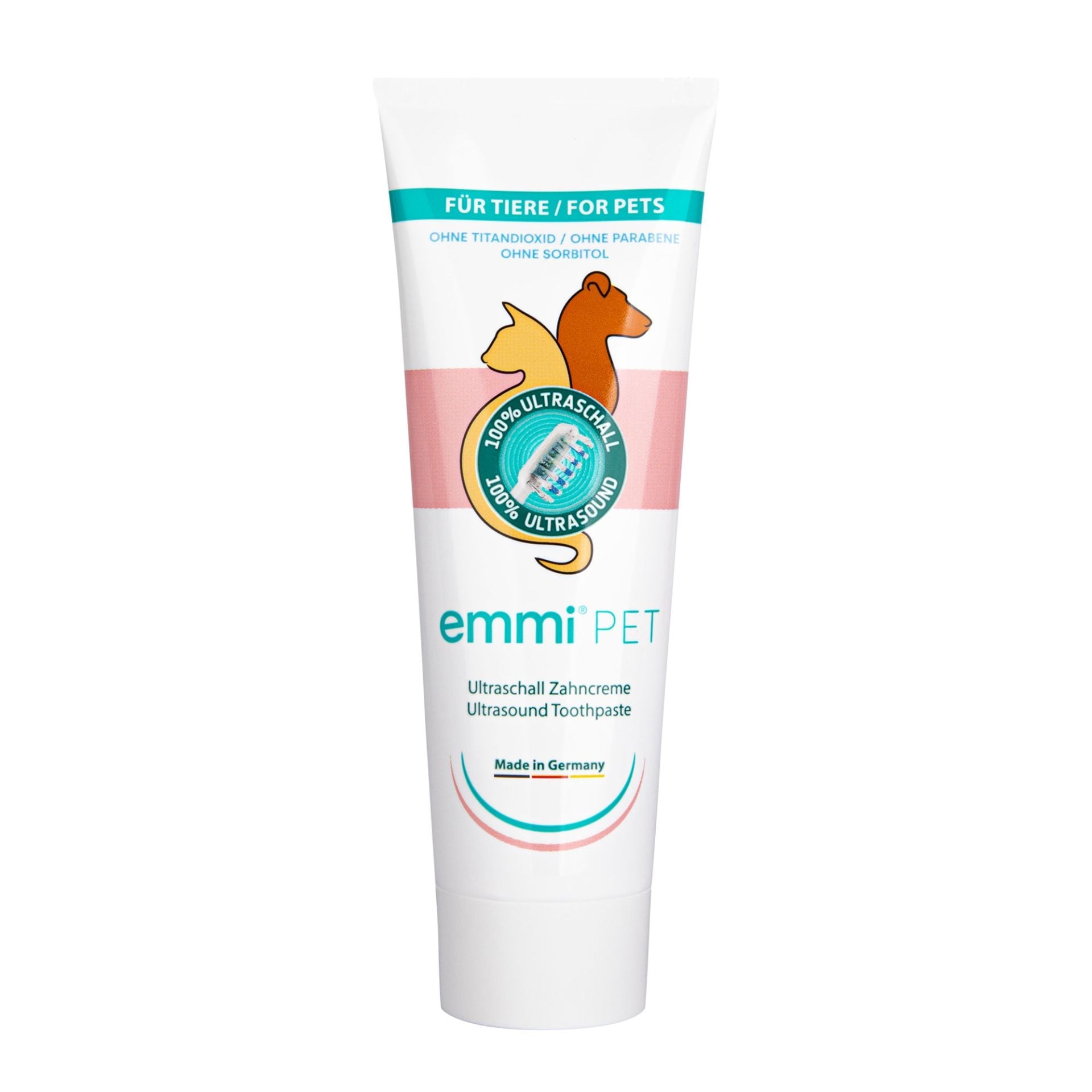
Gentle care starts right here. It supports the skin without further irritating it. Less is often more. Instead of frequent interventions, calm, regular care routines with our emmi-pet care products , which are tailored to the needs of dogs, are helpful. The goal is to retain moisture, relieve tension, and stabilize the skin's natural balance.
Many dogs find this form of grooming soothing. Especially in winter, when warmth, peace, and closeness play a more important role, grooming sessions like those with our emmi-pet skincare set are often particularly well-received. They have a calming effect on body and mind and give the dog the feeling of being cared for.
It's important to understand grooming not as a one-off measure, but as an ongoing process. Skin and coat react sensitively to changes. Consistency and attentive care help to restore stability in the long term.
Think holistically: skin, paws and mouth
Grooming in winter is much more than just a necessary chore. It becomes a moment of comfort , a chance for your dog to relax. Gentle touches stimulate blood circulation, release tension, and support the skin's natural regeneration. At the same time, they have a calming effect on the nervous system.
Especially during the colder months, when external stimuli are scarce and daily life becomes quieter, these grooming rituals gain in importance. Dogs often greatly enjoy this closeness because it provides security and creates a sense of reliability. Grooming is not experienced as a chore, but as something pleasant that strengthens trust.
Many sensitive dogs benefit particularly from this. They learn that discomfort is followed by support and that they are allowed to feel safe in their bodies again. This emotional component is crucial , because skin problems are not only physically taxing, but also affect behavior and mood.